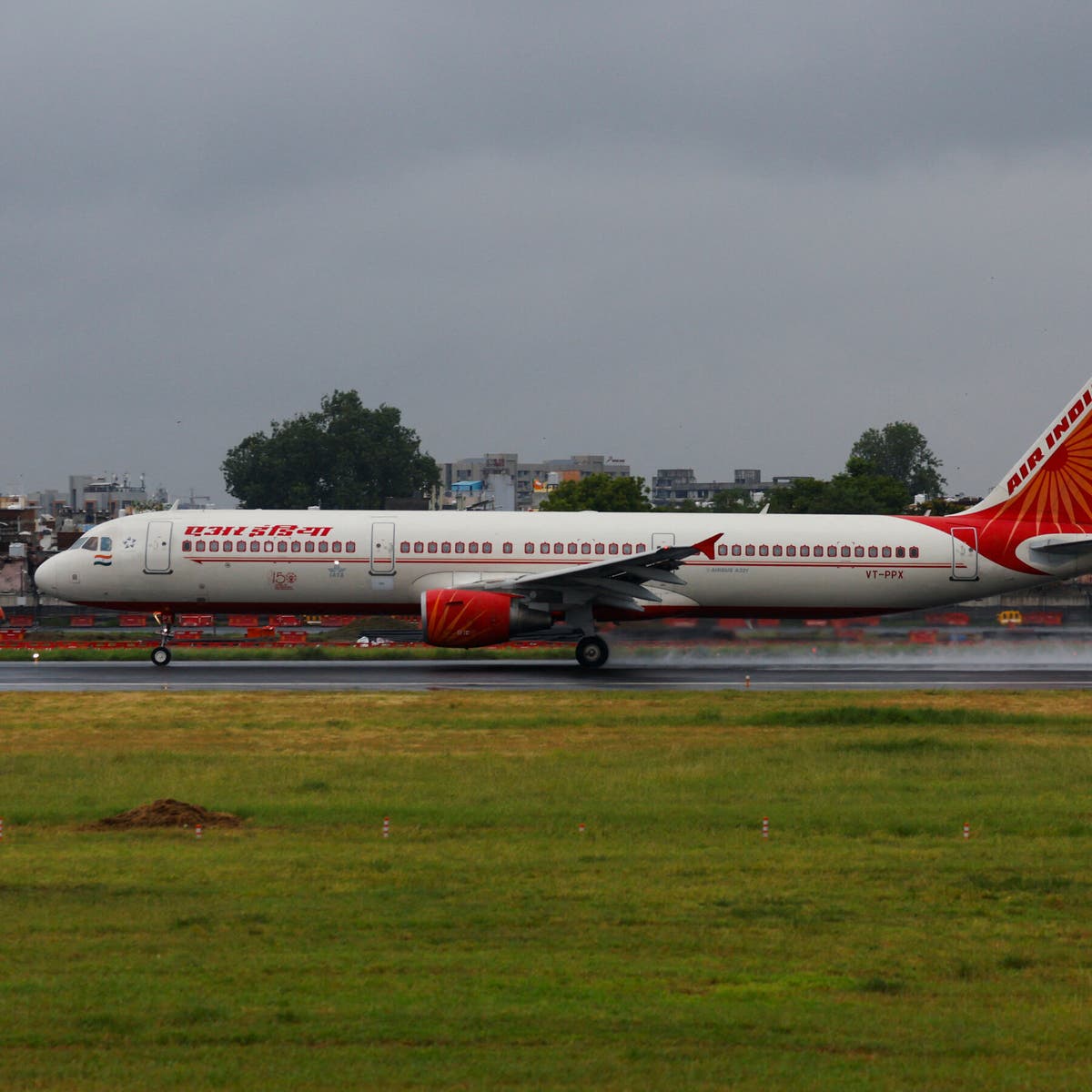
Air India, the national carrier of India, announced it will temporarily reduce its international flight operations following the deadly crash of one of its flights last week, which led to significant flight delays, heightened passenger concerns, and prompted technical inspections of its fleet.
The airline, still reeling from the June 12 crash that claimed at least 270 lives, stated on Wednesday that it would cut international services by 15 percent on certain wide-body jets—planes typically used for long-haul routes—at least until mid-July. This decision aims to “ensure stability of operations, improve efficiency, and minimize inconvenience to passengers.”

The announcement comes after Indian authorities ordered the airline to improve its operational procedures. Passengers have flooded the airline with complaints about flight cancellations, malfunctioning cabin devices, and poor communication. The airline noted that the closure of Iranian airspace due to its ongoing conflict with Israel, which led to longer flight routes, further contributed to the disruptions.
On Tuesday, the Directorate General of Civil Aviation (DGCA), India’s primary aviation regulator, confirmed that no “major safety concerns” were found following technical inspections of Air India’s fleet of 33 Boeing 787 Dreamliners. This particular model was involved in the crash that occurred shortly after takeoff from Ahmedabad, India, en route to London’s Gatwick Airport.
As of now, 26 of the airline’s planes have been cleared for operation. However, the DGCA also identified “maintenance-related issues” and urged Air India to improve coordination across its engineering, operations, and ground handling units. Additionally, it recommended enhancing the airline’s communication with passengers and developing a more efficient system for sharing real-time information about aircraft defects.
With a fleet of 128 planes, Air India operates around 1,000 flights daily, including numerous international routes. Its non-stop service from Delhi to New York is among its most popular. Since the crash, over 80 flights have been canceled. Many passengers have expressed frustration on social media about abrupt cancellations and the lack of communication from the airline. In some cases, passengers were asked to disembark after boarding, while others faced long waits for pilots to arrive. Many travelers, particularly those from smaller cities, were left stranded at airports, uncertain of when or how they would reach their destinations.
Investigators are working to determine the cause of Flight 171’s crash into buildings near the airport, which resulted in the deaths of 241 of 242 passengers and several people on the ground. Early reports indicate the plane struggled to gain altitude shortly after takeoff. The investigation, involving India’s Aircraft Accident Investigation Bureau, the U.S. National Transportation Safety Board, and Boeing, is focused on downloading data from the plane’s black boxes, which may provide crucial insights into the flight’s issues and the final communication between the pilots.
In Ahmedabad, the ongoing task of matching the crash victims’ DNA with samples from their families continued. By Wednesday, the DNA of 208 victims had been identified, and 173 bodies had been returned to their families, according to Dr. Rakesh Joshi, the superintendent of the Ahmedabad Civil Hospital.